






Shower drains may seem like a small detail, but they play a major role in how a tiled shower looks and performs. Across Western Massachusetts, homeowners in Longmeadow, Wilbraham, Amherst, and surrounding towns are discovering that choosing the right drain style can improve both function and design. Modern drain options allow showers to feel cleaner, more seamless, and thoughtfully planned.
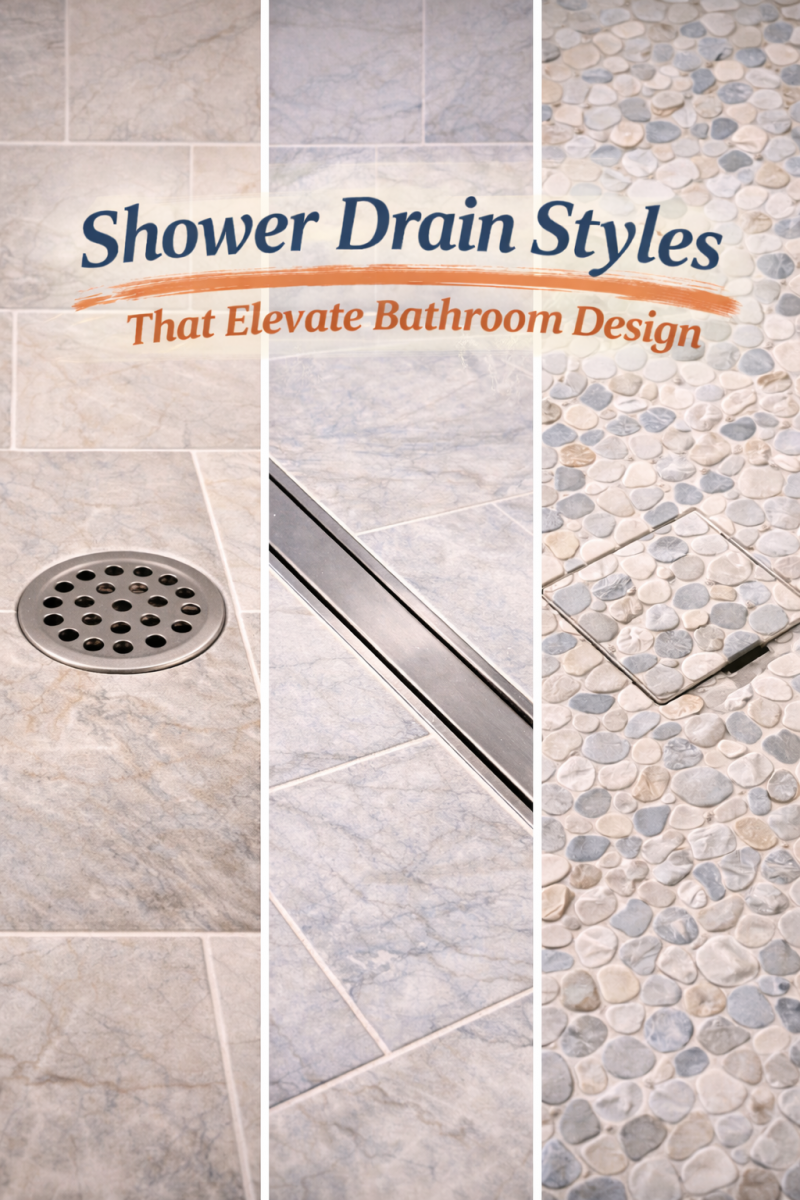
Traditional center drains are still widely used and remain a reliable option. These drains are typically round or square and placed in the middle of the shower floor. Homeowners in Northampton appreciate center drains for their simplicity and proven performance. When paired with properly sloped tile, center drains provide effective water flow and long term reliability.
Linear drains have become increasingly popular in modern bathroom designs. A linear drain is long and narrow and is usually placed along one edge of the shower floor or against a wall. Homeowners in Amherst often choose linear drains because they allow for a single slope across the shower floor. This creates a sleek and modern look while simplifying tile layout.
One advantage of linear drains is design flexibility. Larger format tiles can be used on the shower floor, creating a smooth and uninterrupted appearance. Families in Longmeadow enjoy how linear drains help showers feel more open and spacious. This style works especially well in walk in showers where clean lines are a priority.
Tile insert drains are another option gaining attention. These drains allow a piece of tile to sit inside the drain cover, making the drain blend into the shower floor. Homeowners in Wilbraham appreciate how tile insert drains create a nearly invisible look. The result is a seamless shower floor where the drain does not visually interrupt the design.
Square and rectangular drains offer a balance between traditional and modern styles. These drains provide a clean look while remaining familiar and functional. Homeowners in East Longmeadow often choose these styles to match contemporary fixtures and tile layouts without committing to a full linear drain design.
Drain placement also affects safety and performance. Proper placement ensures water flows efficiently and reduces standing water. In tiled showers, the drain works together with slope and waterproofing to protect the structure of the home. Western Massachusetts homeowners value drain systems that are installed with precision and long term durability in mind.
This fictional but realistic example reflects many homeowner experiences. The Foster family in Amherst remodeled their bathroom and wanted a shower that felt modern but practical. They chose a linear drain placed along the back wall with large format floor tile. The shower felt larger, easier to clean, and visually refined. The drain choice became a subtle feature that elevated the entire design.
Shower drains also affect maintenance. Removable drain covers make cleaning easier and help prevent buildup over time. Homeowners in Northampton often prioritize drain styles that allow easy access while maintaining a clean appearance.
Across Western Massachusetts, shower drain styles are no longer an afterthought. They are a key design element that supports both performance and appearance. Choosing the right drain helps create a shower that looks polished, functions properly, and feels built to last.